How to Get a Job in AI – Complete Beginner’s Guide
Meta Description: Want to break into AI in 2026? This complete beginner’s guide covers the skills, roles, portfolio tips, and step-by-step roadmap to land your first AI job — no PhD required.
Keywords: how to get a job in AI, AI careers for beginners, AI jobs 2026, become an AI engineer, entry-level AI jobs
Introduction
“I want to work in AI, but I don’t have a computer science degree — is it even possible?”
If you’ve asked yourself this question, you’re not alone. It’s one of the most common things beginners search for, and the honest answer is: yes, it’s absolutely possible — but it takes the right strategy, not just enthusiasm.
The good news? AI adoption has exploded across almost every industry, and most organizations have now woven AI into at least one core part of how they operate. That gap between how fast companies are adopting AI and how few skilled people are available to fill these roles is exactly where your opportunity lives.
This guide breaks down exactly how to get a job in AI in 2026 — even if you’re starting from zero.
1. Understand That “AI Jobs” Isn’t Just One Career Path
Before you dive in, it helps to know that “working in AI” covers a wide range of roles, not just one job title. Some of the most common paths include:
- AI Engineer – Builds and deploys AI-powered applications and systems
- Machine Learning Engineer – Focuses on training and optimizing models
- Data Scientist – Analyzes data and extracts insights to inform decisions
- AI Product Manager – Bridges the gap between technical teams and business goals
- Prompt Designer – Crafts effective inputs to guide AI behavior, often without heavy coding
- AI Trainer / Data Annotator – Reviews and evaluates AI outputs, often an accessible entry point for beginners
Notice something? Not all of these require deep coding knowledge. Some entry-level AI jobs prioritize communication, attention to detail, and critical thinking over technical skills — which means there’s a path in for people from many different backgrounds.
2. You Don’t Need a PhD (In Most Cases)
Here’s a myth worth busting right away: you don’t need a PhD to work in AI. A PhD is typically only required for research-focused roles at major AI labs or academic institutions.
For most applied AI roles — like AI developer, ML specialist, or data analyst — hiring is increasingly based on demonstrated skills and strong portfolios rather than academic credentials alone. In fact, many professionals break into AI-adjacent roles with nothing more than an associate degree, self-taught skills, or relevant work experience.
3. Start With the Right Foundational Skills
If you’re serious about a technical AI role, don’t try to learn everything at once — that’s the fastest way to burn out before you even apply for a job. Instead, focus on building these fundamentals first:
- Python – The universal programming language of AI work
- Basic statistics and math concepts – You don’t need PhD-level math, but understanding core concepts matters
- Data handling – Learning to clean, organize, and work with data pipelines
- Understanding AI/ML concepts – Get comfortable with terms like machine learning, large language models, and neural networks
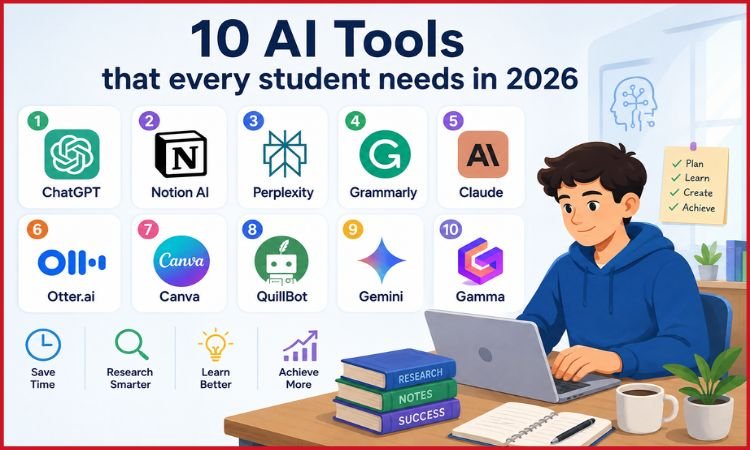
For non-technical roles, focus instead on developing strong communication skills, understanding AI tools like ChatGPT and Claude, and learning how to evaluate AI outputs for accuracy and bias.
4. Build a Portfolio — Not Just a Resume
In the AI job market, a strong portfolio often matters more than a polished resume. Employers want to see what you can actually do, not just what courses you’ve completed.
Here’s how to start:
- Create small, real projects — even simple ones — and document your process
- Use platforms like Kaggle to practice on real datasets and competitions
- Share your work publicly (GitHub, LinkedIn, or a personal blog) so others can see your progress
- Keep a running document of your best AI prompts, outputs, and experiments — this becomes valuable proof of hands-on experience
Without projects to show, it’s extremely difficult to stand out — no matter how many certificates you’ve collected.
5. Consider Entry-Level and Non-Traditional Roles First
If a full AI Engineer role feels out of reach right now, that’s okay. Many beginners break into the field through entry-level positions such as:
- AI data annotator or labeller
- AI trainer or RLHF (human feedback) specialist
- AI content specialist or QA tester
- Customer support roles for AI products
These roles don’t always require coding experience, and they offer real exposure to how AI systems work in production — experience you can later use to move into more advanced roles.
6. Communication Skills Matter More Than You Think
Here’s something many beginners overlook: technical skill alone doesn’t win job offers. According to recent industry hiring data, communication skills now rank among the top hiring criteria for AI roles at the majority of companies surveyed.
Why? Because employers want people who can explain their work clearly — to teammates, stakeholders, and non-technical decision-makers. Practice explaining your projects out loud, including what went wrong and what you learned from it. Interviewers often care more about how you think through failure than about a flawless technical result.
7. Follow the Field — Don’t Learn in Isolation
AI moves fast, and staying updated is part of the job itself. A simple way to stay sharp:
- Follow AI researchers and practitioners on LinkedIn and X
- Read blogs and updates from major AI labs and research communities
- Subscribe to AI-focused newsletters
- Most importantly — build things. Hands-on experimentation teaches you faster than passive reading ever will.
8. Start Before You Feel “Ready”
This might be the most important tip in this entire guide: you will never feel 100% ready, and that’s normal.
Every week you spend waiting for the perfect course or the “ideal” starting point is a week someone else spends building projects, applying for roles, and gaining real experience. The AI field rewards people who start messy and improve along the way — not people who wait for perfection.
Conclusion
Getting a job in AI in 2026 isn’t about ticking every box on a checklist — it’s about combining the right foundational skills, real hands-on projects, and the confidence to start before you feel fully prepared.
Whether you’re aiming for a technical role like AI Engineer or a non-technical entry point like AI content evaluation, the path is more accessible than ever. The demand is there. The opportunity is there. What’s left is simply deciding to start.